02 / Wildlife

Use CPW’s science—and make it enforceable.

CPW staff identified nesting raptors, elk winter range, calving and fawning habitat, buffers and seasonal closures years before the Draft EIS. Sweetwater should receive protections at least as clear and enforceable as those CPW uses elsewhere. Are CPW Wildlife's recommendations optional when CPW Parks is the developer?

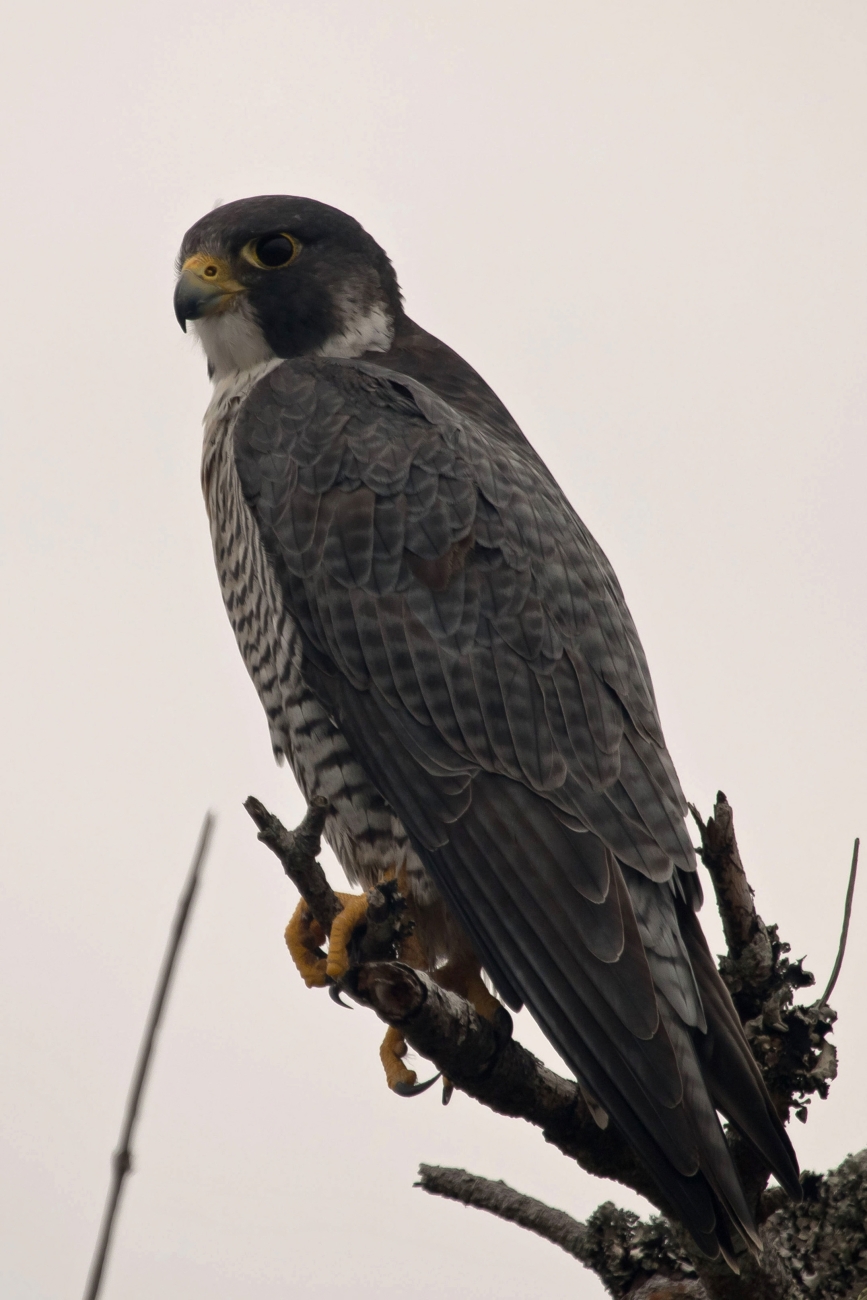
Peregrine falcon perched on a branch
Peregrine falcon · Peter Pearsall / USFWS · Public domain

The agency record · 2021–2024

Early, specific and consistent cautions.

August 25, 2021

CPW Area 8

Area 8 identified Bald Eagle, Osprey and Peregrine Falcon hunting and nesting habitat and recommended minimizing nearby development and maintaining nesting-period buffers. It also identified elk winter, severe-winter and concentration habitat; recommended a December 1–June 15 closure for the proposed horse area; and opposed trails on elk-calving and deer-fawning ground north of the county road.

Area 8 wildlife concernsWebsite copy · View PDF
November 12, 2021

Jeff Thompson memorandum

CPW Resource Stewardship staff warned that recreation planning was getting ahead of resource analysis. Thompson reported that proposed west-side development fell inside 400-meter Bald Eagle and 800-meter Peregrine Falcon nest buffers, described seasonal no-surface-occupancy periods and recommended applying CPW's own buffer guidance.

Jeff Thompson memorandumWebsite copy · View PDF
August 5, 2024

CPW scoping comment

CPW asked that alternatives evaluate temporal and spatial buffers for nests, seasonal recreation restrictions, wildlife movement and effects on elk and mule deer. The same letter called emergency analysis for every alternative “critical.”

CPW scoping commentWebsite copy · View PDF
33

raptor nests documented

CPW's March 2024 Resource Stewardship Plan reported 33 raptor nests, including 11 active nests in 2022, and confirmed breeding Peregrine Falcons and Bald Eagles. It gave high priority to raptor monitoring and temporary trail and lake closures during breeding, and recommended seasonal closures for sensitive elk and mule-deer habitat.

Read the Resource Stewardship Plan

Standards and precedent

Guidance is useful. Permit language is enforceable.

CPW's 2020 raptor guidance

CPW publishes species-specific spatial buffers and seasonal restrictions. Because those recommendations are advisory, the Sweetwater decision and permit must say which measures actually apply.

Open CPW's guidance

Fishers Peak State Park

CPW's park regulation requires visitors to remain outside a posted half-mile Peregrine Falcon nest buffer from March 15 through July 31. The rule is a park-specific precedent, not a standard that automatically applies at Sweetwater.

Read the CPW regulation

Independent Audubon concern

On July 4, 2026, Roaring Fork Audubon Society asked its members to urge CPW to use its 2020 raptor guidelines at Sweetwater, citing Bald Eagles, returning Peregrine Falcons and approximately 100 documented breeding and migratory bird species.

Roaring Fork Audubon call to actionJuly 4, 2026 · View PDF

The Working Group's position

Put real protections in the Record of Decision and permit.

  • Species-appropriate nest buffers and seasonal closures.
  • Annual raptor monitoring by qualified wildlife professionals.
  • Objective closure triggers for newly active or discovered nests.
  • Seasonal safeguards for elk winter range, calving and mule-deer fawning habitat.
  • Public reporting and enforceable permit conditions.

The public record is open

Ask for proof before approval.

Request a route-specific evacuation analysis and enforceable, project-specific wildlife protections in the decision and permit.